

PLA-ONCO · PLA-CHEMO · Oncology
A Trojan horse inside the tumour.
Tumours recruit platelets. We arm them. PLA-ONCO and PLA-CHEMO exploit the TCIPA mechanism to deliver anti-cancer payloads straight into the tumour microenvironment.
Development status: PLA-CHEMO-1 and PLA-ONCO-1 are entering preclinical studies. All programmes are investigational and not approved for any indication.
The biological rationale
The TCIPA mechanism
Tumour-cell-induced platelet aggregation (TCIPA) is well characterised: solid tumours recruit platelets by releasing ADP, thromboxane A2 and tissue factor, using them as a shield against immune surveillance.
Plasfer turns that recruitment against the tumour. PTT-loaded platelets travel in the circulation, are captured and activated at the tumour, and release their payload directly into the tumour microenvironment.
How the Trojan horse works
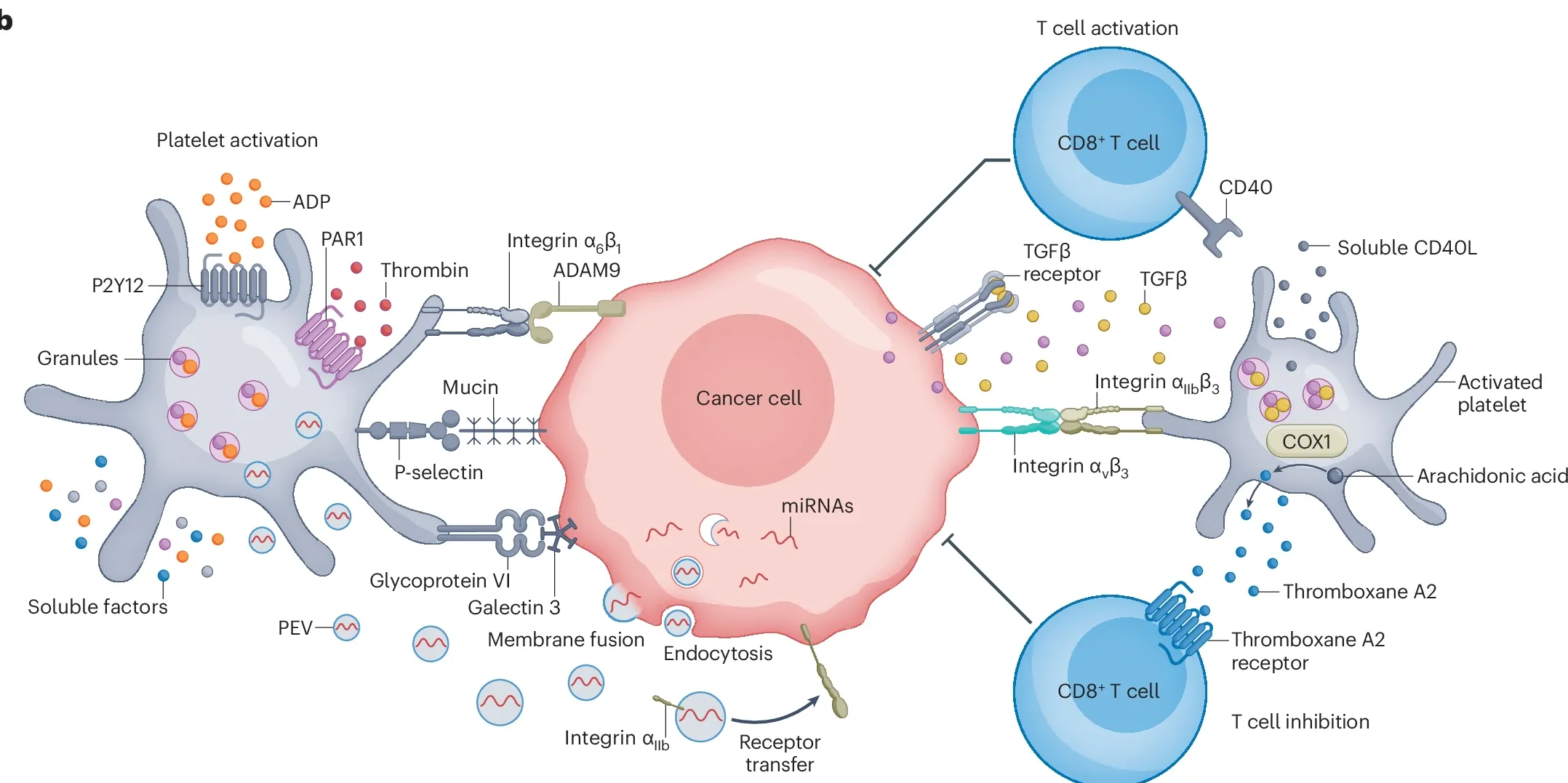
Source: Chen, Y., Wolter, T., Gu, Z. et al. Engineering platelets as cancer therapeutics. Nat Rev Clin Oncol (2026).
Lead programmes
Two lead assets. One delivery platform.
PLA-CHEMO-1
Chemotherapy payload
- Payload
- Gemcitabine
- Lead indication
- Pancreatic cancer (solid tumours)
- Reg. route
- ATMP / Hospital Exemption (EU) · IND / 505(b)(2) (US)
Gemcitabine is standard-of-care in pancreatic cancer but limited by poor tumour penetration and severe systemic toxicity. Platelet delivery via TCIPA offers tumour-concentrated dosing at potentially lower systemic doses.
PLA-ONCO-1
Genetic payload (siRNA)
- Payload
- siRNA vs KRAS G12D
- Lead indication
- Pancreatic ductal adenocarcinoma (PDAC)
- Reg. route
- ATMP / Hospital Exemption (EU) · IND (US)
KRAS G12D is the most common oncogenic driver in PDAC. PLA-ONCO-1 delivers KRAS-silencing siRNA directly to the tumour — bypassing the delivery challenge that has blocked systemic RNAi in oncology.
Scientific or investor enquiries
We welcome enquiries from oncologists, research institutions, and strategic investors.